
How live dealer studios work: cameras, OCR and the shoe scanner

Somewhere in a converted warehouse, a dealer slides a card from a shoe, and half a second later a player on another continent watches it land on their phone. Between those two events sits one of the most underrated pieces of engineering in online gambling: the live dealer studio. Knowing how it works answers the question every sceptical player eventually asks — can the stream lie?
The studio floor
A live casino studio looks like a cross between a television set and a quiet card room: rows of tables under controlled lighting, each with a dealer, a camera rig and a small bank of monitors. Studios run around the clock with dealers working shifts, and the biggest providers operate several sites across Europe and Asia. Everything on the floor exists to serve two masters at once — the physical game and the camera that watches it.
Cameras and the game control unit
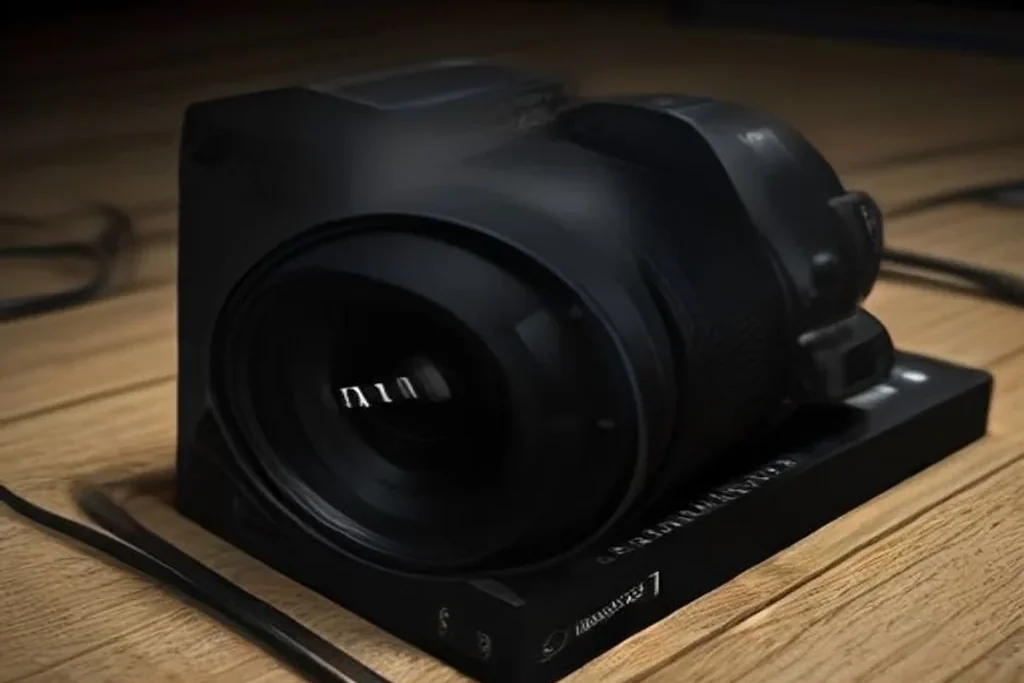
Each table carries multiple cameras: a wide shot of the dealer, a tight shot on the cards or the wheel, and overhead angles for specific reveals. The real brain, however, is the game control unit — a small device bolted under every table that digitises what the cameras see, encodes the video and attaches the game data to the stream. No GCU, no broadcast: it is the piece of hardware that turns a card game into software.

OCR: reading cards in real time
Optical character recognition does for cards what a barcode scanner does for groceries. Special inks, card designs or embedded markers let the system identify each card the instant it leaves the shoe, and the software matches that reading to your bets. That is how the platform settles a blackjack hand within a second of the dealer laying the card down — the computer knew the result before your eyes finished focusing on it.
The shoe scanner and the roulette sensors
Baccarat and blackjack shoes contain their own readers that log every card in order, which also protects the game itself: a missing or duplicated card triggers an immediate alert. Roulette wheels carry sensors that track the ball and the winning pocket, and the results feed the same pipeline. The physical outcome and the digital record must always agree — when they do not, the round is voided, not guessed.
Who works at a live table
| Role | What they do | What you notice |
|---|---|---|
| Dealer. | Runs the game, reads decisions from a monitor. | Talks to the camera, announces results. |
| Shuffler. | Prepares and verifies card decks off-camera. | Fresh shoes arriving on schedule. |
| Floor supervisor. | Handles disputes, voids and technical pauses. | Occasional short holds between rounds. |
| Stream engineer. | Watches feeds, latency and encoding. | Nothing — unless something breaks. |
Why the stream cannot lie
The integrity of live casino rests on a simple fact: the outcome is physical. Cards are shuffled in view, the wheel spins in view, and thousands of players watch the same feed simultaneously — any manipulation would need to fool physics and the crowd at once. This is the structural difference from RNG games, where trust comes from lab certification instead, as explained in our RNG and RTP piece. The BK8 live hall runs entirely on this physical-outcome model.
What to check before you sit at a live table
- Test your connection with a free spectate session first.
- Read the table limits shown in the lobby thumbnail.
- Confirm the game variant and its house edge.
- Check how disconnects are handled in the game rules.
- Decide your session budget before the first bet.
Latency: your side of the wire
What can go wrong sits mostly between the studio and you. Video latency of a second or two is normal and harmless; a frozen frame during your blackjack decision window is not. Studios handle disconnects with standing orders — a frozen player typically stands automatically — but the lesson holds: live games deserve a stable connection, and mobile data in a moving vehicle is not one.
Fairness audits add a second layer of protection. The big studios operate under licences that require independent testing of equipment, shuffle procedures and result logging, with regulators able to pull the recorded footage of any round. A dispute at a licensed table is a solvable problem: the tape exists, the card order is logged, and the supervisor's decision can be reviewed.
Where the format is heading
Studios keep absorbing television tricks: augmented-reality multipliers in game shows, native-language tables for regional markets, robotic camera arms that never block the view. The direction is always the same — more spectacle wrapped around the same honest core of physical cards, physical wheels and sensors that write down what happened. The growth of these studios across the region is part of the wider Asian market story.